
How Much Does It Cost to Open an Arcade in 2026?
Summary:
Opening an arcade in 2026 typically costs $15,000 to $500,000+, depending on venue size, rent, machine mix, and operating reserve. For most investors, arcade machines should take 60-70% of startup capital, with a realistic payback target of 12-24 months.
Arcade Startup Cost Is Only the First Question
If you are searching how much it costs to open an arcade, you are probably not just looking for a number. You are trying to decide whether the business is realistic, how much capital you need, and which early choices could make payback easier or harder.
In 2026, a new arcade can cost anywhere from $15,000 to more than $500,000. A small, focused arcade may stay under $50,000. A mid-sized family entertainment center often needs $50,000-$200,000. A large FEC, mall arcade, or amusement venue can exceed $200,000-$500,000 once machines, rent, build-out, staff, prizes, utilities, and operating reserve are included.
The cheapest launch is not always the safest one. A low-cost arcade with the wrong machines, high rent, and no cash cushion can run into trouble quickly. A stronger plan starts with the type of venue you want to build, the customers you want to attract, and the machine mix that can realistically pay the business back.
Choose Your Arcade Business Model First
Not every arcade needs the same budget. A small arcade inside an existing venue has very different costs from a full family entertainment center. Before you ask for machine prices, decide which type of arcade business you are actually building.
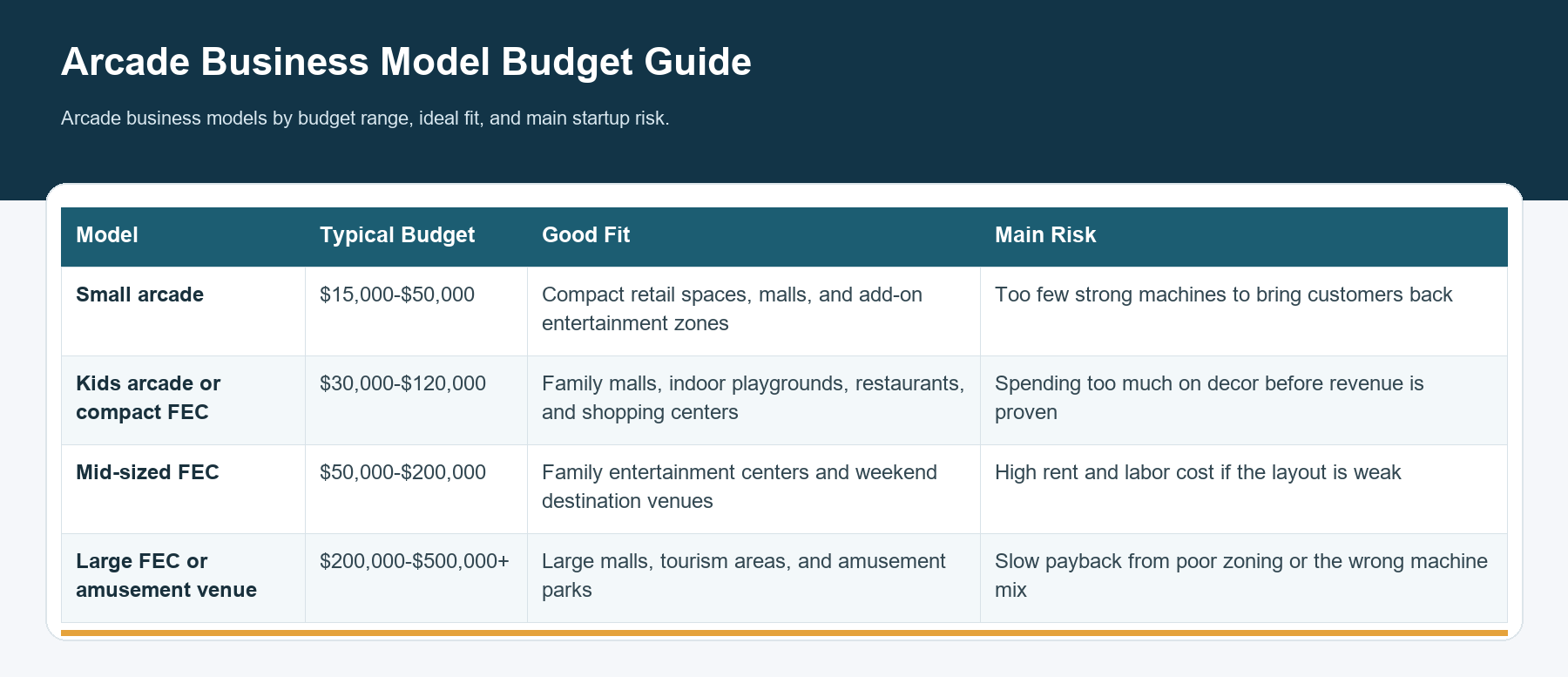
Figure 1. Arcade business models by budget range, ideal fit, and main startup risk
If this is your first arcade project, starting smaller can be the smarter move. A focused venue lets you test which machines earn, how customers move through the space, and where people naturally stop. Once you have real operating data, expansion becomes a much better decision.
Start With Three Arcade Budget Numbers
A detailed spreadsheet can come later. In the early stage, three numbers will tell you whether the arcade budget is healthy: total startup budget, machine budget, and payback target.
- Total startup budget: usually $15,000-$500,000+, depending on venue type, size, and market.
- Machine budget: usually 60-70% of startup capital, because the machines generate the revenue.
- Payback target: often 12-24 months for a well-planned arcade, depending on traffic, rent, machine mix, and operations.
These numbers keep the plan honest. If the machines are underfunded, the venue may look finished but fail to earn. If rent is too high, even good machines can struggle. If there is no reserve, a slow first quarter can put pressure on the business before you have time to improve it.
Put Arcade Machines First
Arcade machines are not decoration. They are the revenue engine. Most strong startup plans put 60-70% of the capital into machines, then build the rest of the budget around layout, setup, compliance, and operating reserve.
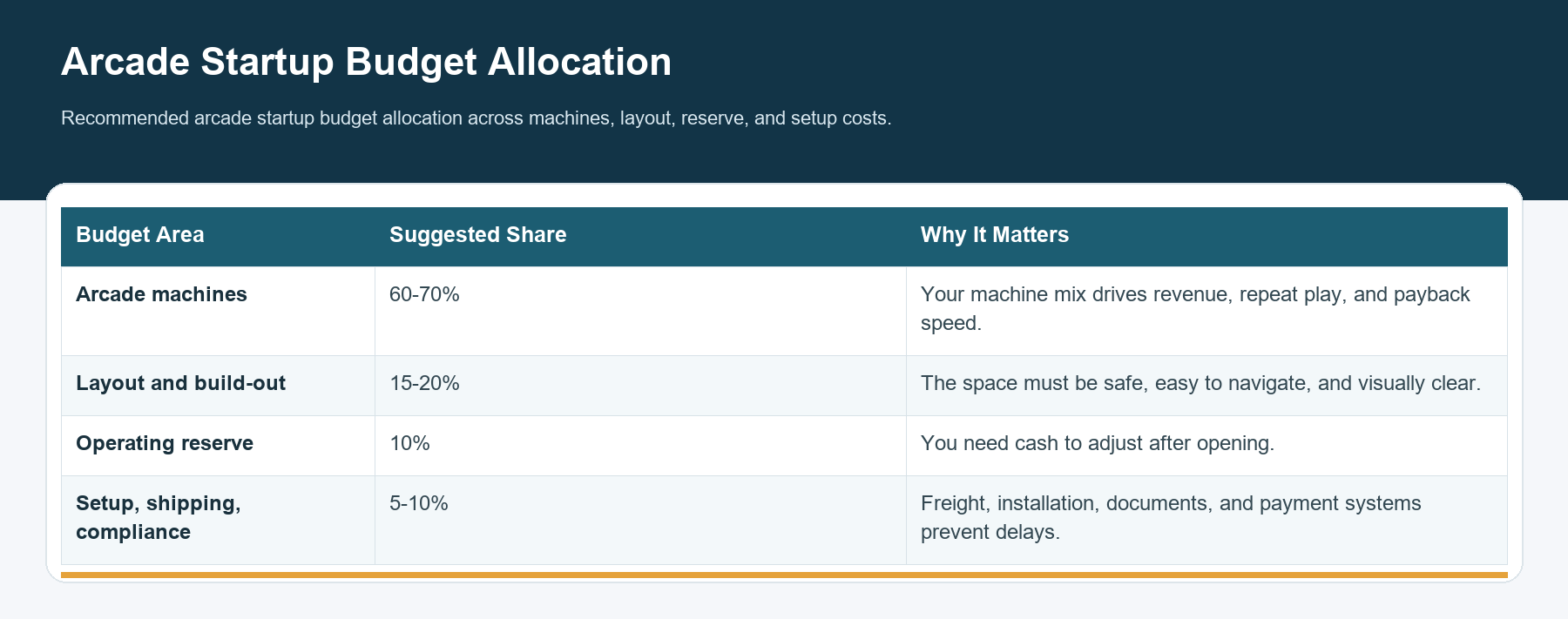
Figure 2. Recommended arcade startup budget allocation across machines, layout, reserve, and setup costs
For a $100,000 startup budget, that might mean $60,000-$70,000 for machines, $15,000-$20,000 for layout and build-out, about $10,000 for reserve, and the rest for setup, logistics, compliance, payment systems, and launch marketing. This keeps the investment focused on what earns money first.
Buy Arcade Machines by Role, Not Price
New operators often start with a price list. Experienced operators start with a role list. Every arcade machine should have a clear job: attract attention, create repeat play, serve families, support premium pricing, or keep customers in the venue longer.
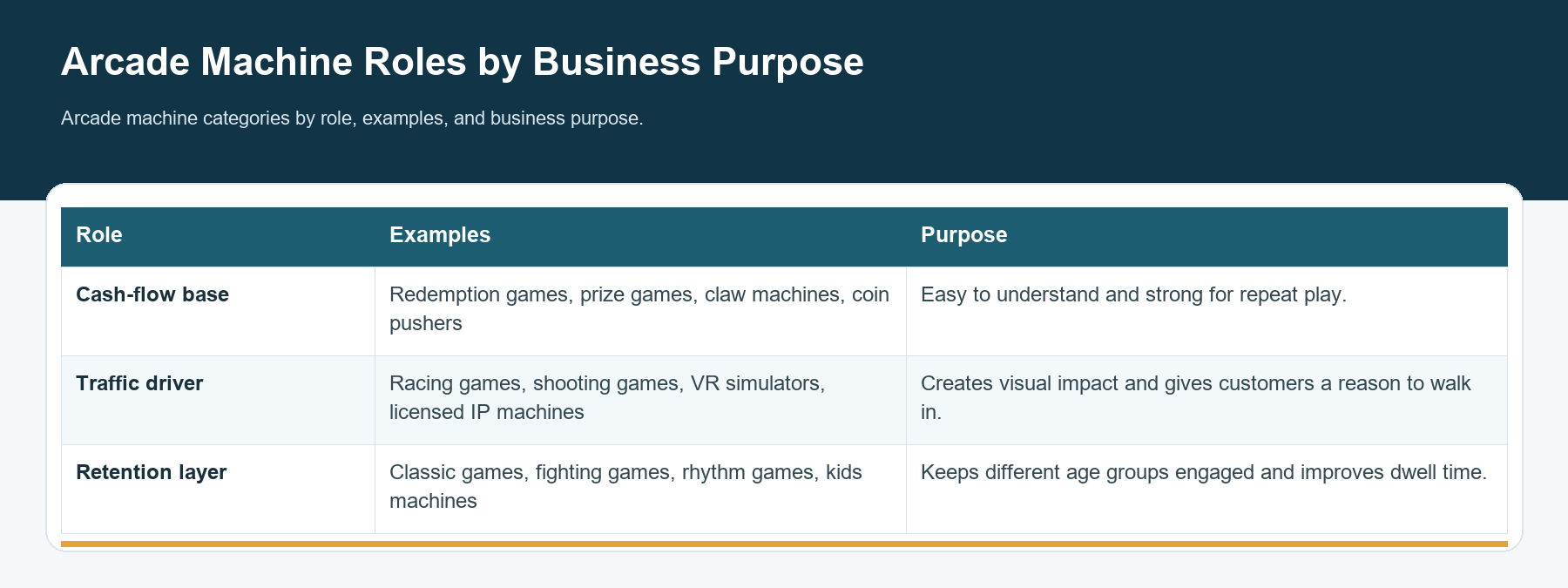
Figure 3. Arcade machine categories by role, examples, and business purpose
For a small arcade, keep the first mix tight. Start with several redemption or prize machines, one or two high-visibility racing or shooting games, a small kids selection if the location is family-driven, and a few skill or classic games for repeat players.
For a mid-sized FEC, think in zones: redemption, simulators, kids games, and selected premium attractions. For a large venue, layout matters as much as the machine list. High-impact games should be easy to see from the entrance, while prize and redemption areas should be simple to find and connected to the prize counter.
Keep Rent From Killing Arcade Payback
A great location helps only when the traffic turns into paid play. Before signing a lease, estimate monthly machine revenue conservatively, then compare it with rent, staff, utilities, maintenance, prizes, marketing, and reserve.
As a working rule, rent should usually stay within 15-25% of projected monthly revenue. If rent is higher, the location needs to prove it with stronger foot traffic, better pricing power, or lower operating burden. Whenever possible, negotiate rent-free fit-out time so you are not paying full rent while machines are still shipping, installing, and testing.
Budget for Hidden Costs After Opening an Arcade
The first budget usually includes machines and rent. The real budget also includes the costs that start after opening day: electricity, staff, prizes, maintenance, insurance, payment systems, and local marketing. Together, these can add 25-40% on top of machine revenue before the business reaches net profit.
- Electricity and HVAC increase with simulators, lighting, ticket machines, and air conditioning.
- Staff cost includes cleaning, guest support, prize counter service, machine checks, and closing routines.
- Prize management affects repeat play, especially for redemption and prize machines.
- Maintenance should be planned monthly for buttons, screens, sensors, motors, readers, and moving parts.
- Payment systems improve control and reporting, but they add setup and training cost.
- Local marketing needs to continue after the grand opening to support weekday traffic.
This is why a slightly larger but better-planned budget can be safer than the cheapest possible launch. Strong machines, reliable supplier support, and enough operating cash give the business time to improve.
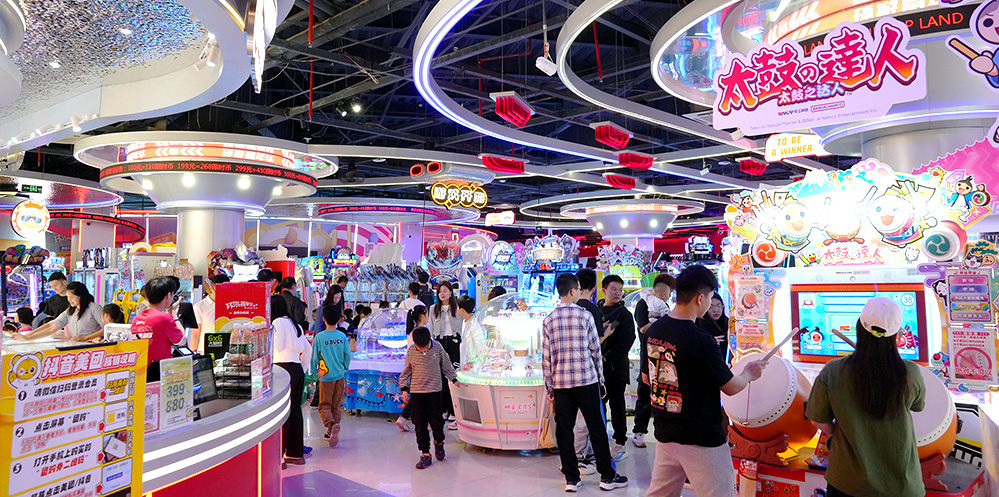
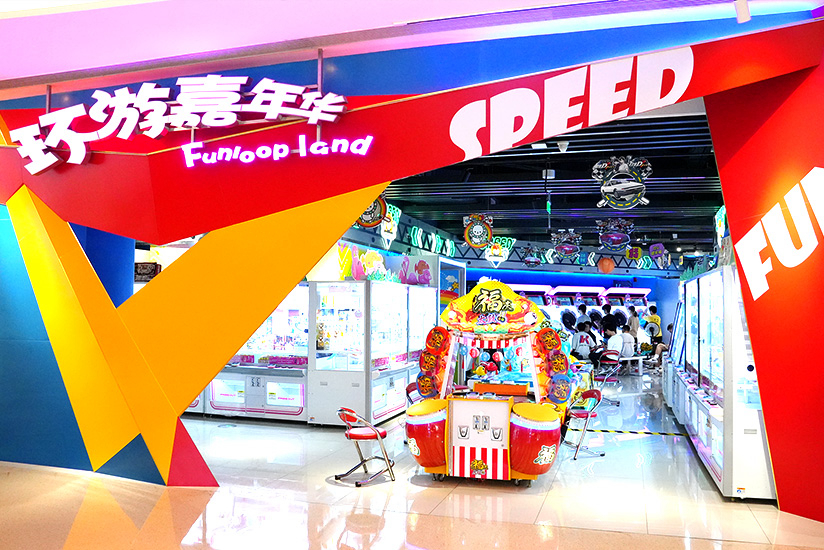
Figure 4 . Real photo of Funloop Land, Wahlap’s self-operated arcade brand store
Prove Your Arcade Plan in 90 Days
Opening day does not prove the arcade model. The first 90 days do. Track revenue by machine, watch how customers move, identify dead zones, and learn which games create repeat play.
Machines that draw attention but do not convert should be reviewed. Machines that earn consistently should get better placement and promotion. Underperforming machines should be moved, repriced, replaced, or supported with better signage and traffic flow. The best operators do not guess for a year. They adjust early.
Build Your Arcade Budget Around Payback
If you are planning an arcade in 2026, do not begin with the cheapest machine quote. Begin with your venue type, available floor area, target audience, rent level, budget ceiling, and payback target. Then choose the machine mix around those realities.
The best arcade investment is not always the biggest one. It is the one where machines, rent, layout, staffing, reserve, and customer demand work together. When those pieces fit, the startup budget becomes easier to control and the payback plan becomes much more realistic.
Get an Arcade Machine Mix That Pays Back
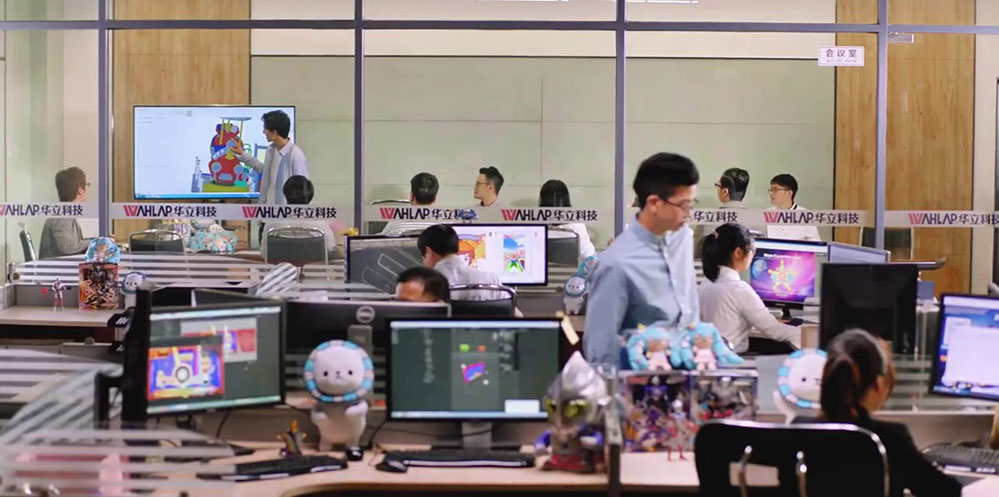
Wahlap Technology (301011.SZ) has more than 35 years of arcade manufacturing and operating experience, with machines deployed across FECs, malls, amusement venues, and entertainment centers worldwide.
Share your floor area, budget, target audience, and location type. Wahlap can help you build a practical arcade machine mix and ROI projection before you buy equipment.
[Explore the Wahlap 2026 Equipment Catalog]: Discover the "showstopper" models designed to drive your traffic.
[Consult with Our Operations Team]: Receive a customized ROI analysis based on your venue's specific heat maps and demographics.
Disclaimer
The cost ranges and payback estimates in this article are planning benchmarks only. Actual investment, revenue, operating cost, compliance requirements, and payback period vary by country, city, venue type, lease terms, labor cost, equipment selection, shipping, currency, and local customer behavior. This article does not constitute legal, tax, accounting, or financial advice. Operators should consult qualified local advisors and verify all regulatory, insurance, lease, and certification requirements before committing capital or purchasing equipment.
FAQ
Hot Games


.webp)

.webp)
.webp)
Hot Games