
Are Arcades Still Popular In 2026?
Summary:
As the IEC market scales toward $121.5B by 2033, the arcade industry is evolving into a high-ROI "social hub." By bridging the "Experience Gap" with elite hardware and slashing labor costs via RFID/IoT systems, venues can significantly boost dwell time and profitability. Leveraging Wahlap’s 35-year expertise, this guide reveals strategic positioning—high-impact VR for city centers vs. redemption for communities—to drive sustainable growth in hybrid commercial spaces.
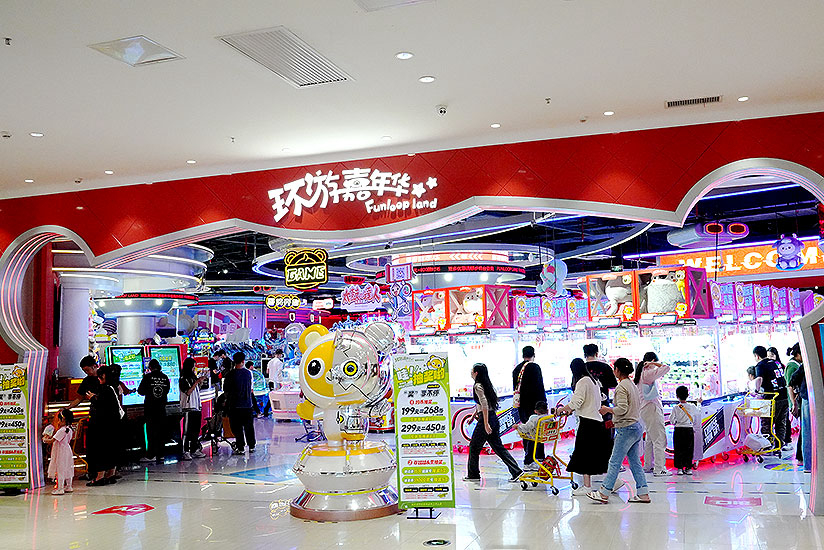
The Global Arcade Market: Key Numbers for 2026
It's a question we hear from savvy real estate investors all the time: "In an era where everyone has a smartphone in their pocket, who still plays coin-op games?"
The answer, backed by hard data, might surprise you. Far from shrinking, the global Indoor Entertainment Center (IEC) market is on a massive growth trajectory. According to the latest report from Grand View Research, the market is valued at approximately $54.7 billion in 2025 and is projected to more than double to $121.5 billion by 2033—a staggering 10.9% compound annual growth rate.
This is far from a "sunset" industry. Despite the ubiquity of mobile gaming, arcade equipment remains a revenue powerhouse within entertainment venues. Research and Markets projects that arcades will still command 26.0% of the market share in 2025. The core business logic has evolved. It’s no longer about simply "stacking machines"; it's about creating "social hubs." The global Family Entertainment Center (FEC) market is expected to reach $52.4 billion by 2030. The industry leaders are those successfully blending arcade play with F&B, bowling, and even pickleball, using VR and AI to deliver the kind of high-fidelity, immersive experiences that a home console or smartphone simply cannot replicate.
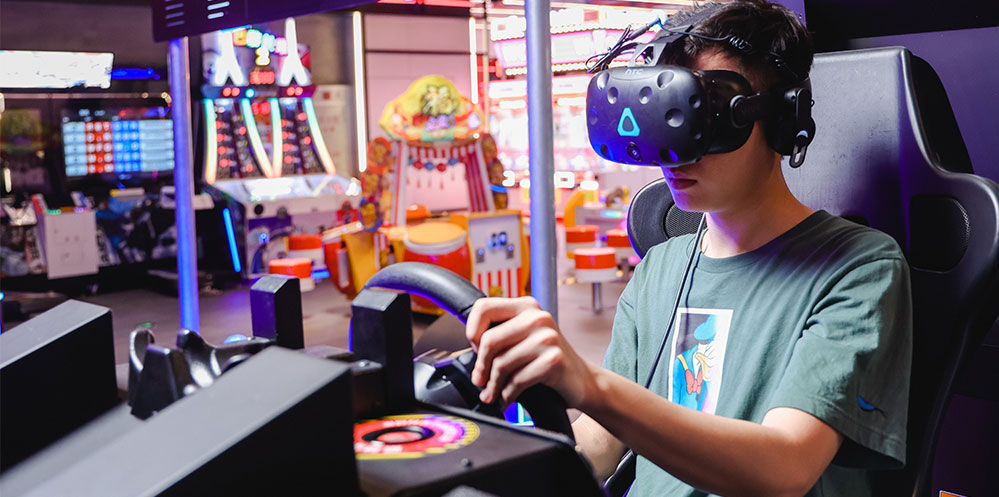
Why Players Still Choose Arcades Over Smartphones
While it’s true that traditional arcades are fading, a new era of entertainment—the modern FEC—is thriving. Data from the Guangdong Entertainment & Game Industry Association (GEGIA) and Wahlap Internal Data reveals that 5,000 new FEC stores open in China every year, contributing to a massive network of 60,000 venues nationwide. As China’s top arcade provider, Wahlap has integrated its advanced operational models with proprietary arcade machine to run its own flagship chain, Funloopland. With over a dozen locations already in operation, the brand continues to expand year after year.
You might wonder: why would players put down their phones to visit a physical venue? The answer lies in the "Experience Gap." Commercial arcade machines are built with specialized processors and high-end GPUs. This "heavy-duty hardware" powers motion-feedback seating, 3D surround sound, and physical interactions that create a multi-sensory immersion—a barrier that mobile devices and home consoles simply cannot breach. (A prime example is the Monster eye 3, a masterpiece arcade machine.)
Beyond the technology, these venues serve as social hubs. They are physical spaces where players share real-time strategies and experience the raw excitement of face-to-face competition. This multi-generational inclusivity is exactly why they have become the premier choice for family gatherings and corporate team-building.
The Economic Engine
To truly understand why the demand for arcade machine remains so resilient, we must broaden our definition of what these machines actually do. Arcade machine aren't just isolated revenue streams; they are the “traffic anchors” for your entire venue.
A deep-dive report by Forbes on Barcade illustrates this synergy perfectly: placing arcade games adjacent to dining areas significantly extends guest "dwell time," which in turn drives an 18% lift in food and beverage spending. In their successful model, bar sales account for 50-60% of revenue, while games and food each contribute a solid 20-25%. This “entertainment-led F&B” logic dramatically boosts the profitability per square foot.
In traditional operations, the most significant headache for any owner is labor overhead, which can swallow 15% to 35% of total revenue. For a large-scale facility, monthly payroll can hit a staggering $25,000. According to Dojo Business's breakdown of arcade profitability, a well-managed venue typically maintains a net margin between 5% and 15%.
To protect these margins and lower the barrier to entry, modern facilities are pivoting to RFID membership systems, IoT connectivity, and self-guided interaction to minimize the need for human intervention. This digital transformation allows you to operate with a lean floor staff, effectively shortening your payback period and optimizing your ROI window.
Embracing The New Wave Of Growth
The demand for out-of-home entertainment is more resilient than many realize. According to 360researchreports, 50% of American households visit a Family Entertainment Center (FEC) at least once a month. This clearly demonstrates that the arcade industry isn't being "phased out"—rather, outdated business models and low-immersion equipment are being replaced by something far more sophisticated. Today’s entertainment center has evolved from the traditional "coin-op room" into a data-driven, social-centric, and immersive hybrid commercial space.
Navigating this booming industry requires a razor-sharp understanding of your venue's positioning:
- For High-Traffic Commercial Districts: Your priority should be high-impact VR or top-tier racing simulators. These units capitalize on the "First-Look Effect," instantly grabbing the attention of passersby and converting impulse foot traffic into revenue.
- For Community Centers & Neighborhood Hubs: Focus on increasing the ratio of redemption (ticket-based) and music rhythm games. These machines rely on reward mechanisms and deep engagement to lock in loyal, high-frequency repeat players who provide steady, long-term cash flow.
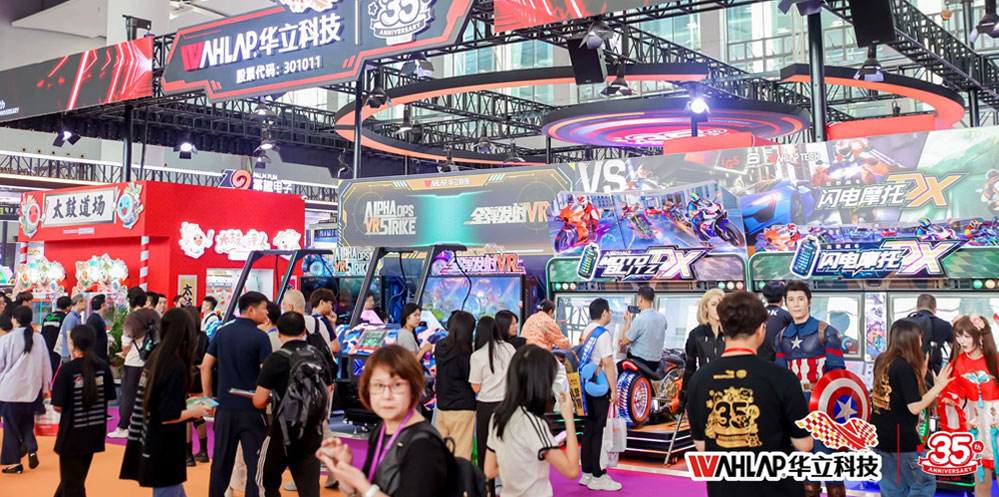
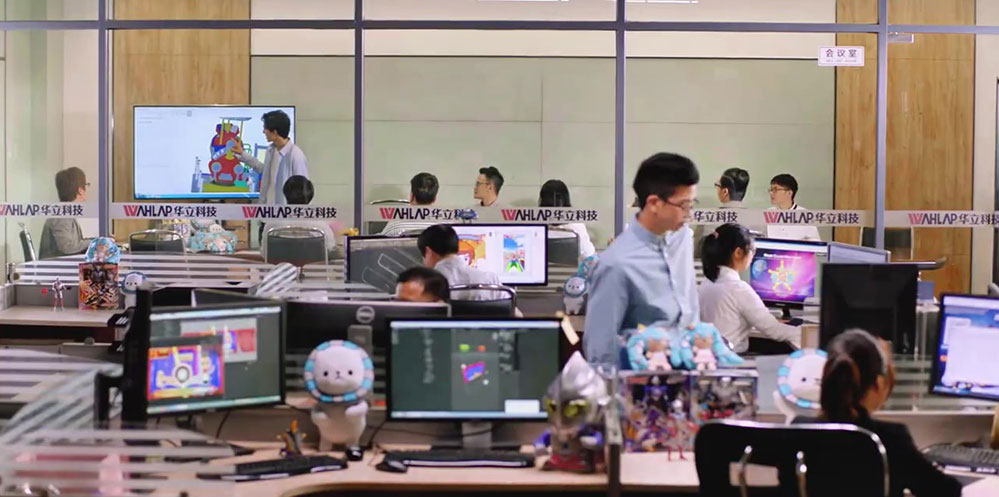
With over 35 years of deep industry expertise, Wahlap Technology stands as a global leader in the arcade sector. We provide more than just world-class hardware; we deliver end-to-end solutions—from initial site planning and optimized equipment allocation to full-scale digital operational support.
Take The Next Step:
[Explore the Wahlap 2026 Equipment Catalog]: Discover the "showstopper" models designed to drive your traffic.
[Consult with Our Operations Team]: Receive a customized ROI analysis based on your venue's specific heat maps and demographics.
FAQ
Hot Games
.webp)
.webp)
.webp)
.webp)

.webp)
Hot Games